To Buy Zyban Online Visit Our Pharmacy ↓
 Zyban Vs Varenicline: Choosing the Right Quit Aid
How Zyban Works: Mechanism, Benefits, and Risks
Imagine waking on day three of quitting and feeling fewer jagged urges; Zyban does this by nudging brain chemistry—blocking reuptake of dopamine and norepinephrine to blunt withdrawal intensity and noticeably lift mood. Clinically it reduces cravings and increases abstinence odds, especially when paired with counseling, and appeals to people who prefer a non‑nicotine pharmacologic route.
However, it carries risks: seizure risk increases with high doses, eating disorders, seizures history, or abrupt alcohol withdrawal. Common effects include insomnia, dry mouth, headache and agitation; rare psychiatric symptoms or self‑harm thoughts have been reported, requiring close monitoring. Doctors review medical history and medications to lower risks, and a gradual titration and counseling optimize safety and long‑term success overall.
| Effect | Notes |
|---|---|
| Mechanism | Dopamine/norepinephrine reuptake inhibition |
| Common benefits | Reduces cravings, improves mood |
| Key risks | Seizure risk, insomnia, possible psychiatric effects |
How Varenicline Stops Cravings: Science Explained

Varenicline acts like a smarter, gentler key in the brain’s reward system: it partially activates alpha4beta2 nicotinic receptors to deliver modest dopamine signals that ease withdrawal and blunt cravings. When nicotine from cigarettes tries to bind, varenicline occupies those same sites and prevents the full dopamine surge that reinforces smoking, so the pleasure from a relapse is greatly reduced. This dual action—agonist to soothe, antagonist to block—targets both craving and reward.
Compared with zyban, which alters dopamine and norepinephrine reuptake, varenicline’s receptor-specific approach provides a focused interruption of nicotine’s effects and often yields higher quit rates in clinical trials. Expect a gradual timetable: a week of dose escalation before stopping smoking and support to reinforce behavioral changes. Patients should discuss risks like nausea or sleep changes with clinicians so medication fits a broader quit plan combining counseling and coping strategies.
Side Effects Compared: What to Expect Daily
Starting a quit-aid often feels like entering a new daily rhythm: with zyban some people notice dry mouth, mild headaches and trouble sleeping, while others describe heightened alertness or jitteriness early on. Varenicline commonly causes nausea and strange dreams for several days to weeks, and both drugs can produce transient dizziness or constipation. These effects are usually manageable and tend to lessen after the first couple of weeks.
Less common but important to watch for are mood shifts, increased anxiety, or allergic reactions; zyban has a small seizure risk in susceptible individuals, while varenicline has been linked to rare behavioral changes. Keeping a daily symptom log, staying hydrated, and communicating promptly with a clinician helps weigh benefits against discomfort. Personalized support, whether counseling or nicotine replacement, often eases side effects and improves the chance of sticking with the quit plan.
Success Rates and Real-world Quit Outcomes Reviewed
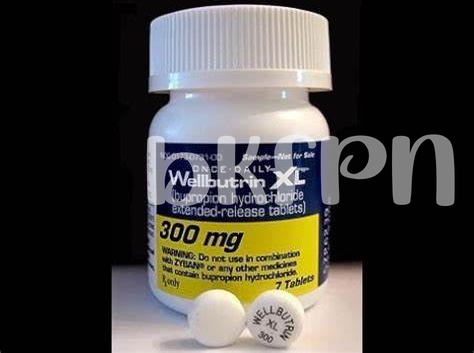
Clinicians often weigh clinical trial results against everyday experience, and the numbers tell a nuanced story. Varenicline shows higher abstinence rates in many randomized trials, while zyban (bupropion) delivers moderate improvements over placebo and helps people who prefer antidepressant mechanisms. Trials measure 6- and 12-month continuous abstinence, but these controlled environments don’t capture relapses, adherence issues or dual-product use that shape real-world success.
Observational studies and quitline reports reveal lower sustained quit rates compared with trials, yet both medications increase the odds of stopping compared with no pharmacotherapy. Meta-analyses suggest varenicline roughly doubles or triples odds, and zyban increases odds by about 50–70%, though individual responses vary widely.
Choosing an aid should consider personal history, side effects, and readiness to engage behavioral support, which consistently boosts outcomes. Practical measures — coaching, follow-up, and managing withdrawal — turn statistical advantages into smoke-free lives.
Who Should Choose Zyban or Varenicline?
People with a history of depression or who responded to bupropion often find zyban comforting; it can ease mood and reduce withdrawal.
Conversely, those tormented by intense cravings and failed quit attempts may prefer varenicline for its strong receptor-targeted action.
Medical history, seizure risk, pregnancy, and medication interactions guide choice; discuss these with a clinician for safety.
Many succeed when treatment matches personal health and habits, and when combined with counseling or support.
| Consideration | Best option |
|---|---|
| Depression history | Zyban |
| Severe cravings | Varenicline |
| Seizure risk or stimulant use | Generally avoid Zyban |
Combining Meds and Therapies: Building a Plan
I started combining medication with brief counseling; the medication lifted cravings while talk therapy reshaped routines and triggers.
Using Zyban alongside behavioral support can double quit chances for some, especially when timing and dose are tailored by a clinician.
A plan includes setting a quit date, monitoring mood, and having contingency strategies for lapses; phone coaching or group sessions add accountability.
Always review interactions and side effects; combine therapies under supervision, adjust if adverse effects appear, and celebrate small milestones to sustain change and set expectations with your clinician today. MedlinePlus: Bupropion (Zyban) NIH: Treating Tobacco Use and Dependence
 Copyright 2006 CULIA KI CLINIC INC. All rights reserved