To Buy Zantac Online Visit Our Pharmacy ↓
 What to Do If You Took Zantac
Check What You Took and When Precisely
I remember grabbing the bottle and swallowing a pill, then pausing to wonder which product and dose it actually was. Start by confirming the brand, active ingredient, strength, and exact time you took it.
Examine the pill’s shape, color, and imprint against online images or pharmacist guides. Read the label for lot and expiration, note whether it was prescription or OTC, and record the package details immediately afterwards.
Pinpoint the time down to the minute using phone logs, texts, or receipts. Jot the dose, number of tablets, and any other medicines taken that day. Note meals, symptoms, and who was present too.
Take clear photos of the pill and label, and save screenshots with timestamps. Keep a concise written timeline to share with your clinician or attorney; accuracy helps both diagnosis and any future claims.
| Medication | Dose and time taken |
|---|
Stop Taking Remaining Pills and Save Packaging

After realizing the medication might be linked to harm, I paused and set the bottle aside. It felt strange to stop a routine, but preserving what I had became a priority. I kept the blister pack and inner leaflet intact, placing them in a zip-top bag to avoid loss.
Documenting dates and doses helped me create a clear timeline for conversations with clinicians. I noted when I last took a pill, how many remained, and any batch numbers on the label. If your medication is zantac, include lot numbers and photographs of the packaging.
Keep everything together and avoid disposing of tissues or labels that might seem trivial. These items can be important if you later seek medical advice or legal guidance. Reach out to your healthcare provider promptly with the preserved materials. Do not mix them with other medications.
Watch for Symptoms and Document Any Changes
After taking zantac, treat your body like a careful observer; note any new or worsening symptoms such as stomach pain, persistent nausea, vomiting, unexplained weight loss, fatigue, coughing, or blood in stool or vomit. Record the time each symptom starts, its severity on a simple scale — mild, moderate, or severe — and whether it improves or worsens after eating or rest. Small details about what you ate, other medicines, and stress can help clinicians make sense of changes.
Keep a brief daily journal or use your phone to photograph symptoms, log temperature readings, and note conversations with doctors or pharmacists. If you experience shortness of breath, chest pain, fainting, severe abdominal pain, or heavy bleeding, go to the emergency room immediately and tell staff about zantac exposure. Clear, dated notes support both medical treatment and any future legal claims and documentation.
Contact Your Healthcare Provider for Medical Advice
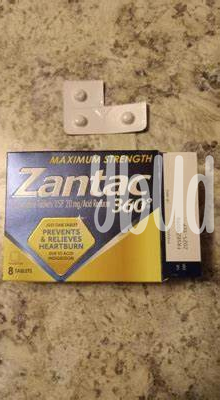
If you feel uncertain after taking zantac, reach out to your clinician as soon as possible. Describe precisely what you took, dosage, and timing, and mention any underlying conditions and other medications.
Be prepared to share the pill bottle, receipts, and a timeline of symptoms; clear details help them assess risk and decide whether testing or monitoring is needed. If symptoms are mild they may advise watchful waiting, but document every change.
Seek emergency care for severe symptoms such as jaundice, persistent abdominal pain, swelling, or breathing difficulty. Ask how and when to follow up, and request written instructions so you have a clear plan. Keep a copy of lab results and notes from calls.
Keep Records and Preserve Receipts and Bottles
Start by collecting original containers, labels and receipts. Photograph each item, noting lot numbers, dates and any pharmacy details.
Log symptoms with dates and times, and save purchase proof and packaging in a single, labeled folder or a sealed bag. If you used zantac, include the dose and when you took it.
Keep digital backups of photos and scans, and email records to a trusted contact. Clear, chronological documentation helps doctors and any legal counsel assess your case. Preserve bottle caps and receipts together for chain-of-custody and note storage conditions.
| Item | Purpose |
|---|---|
| Bottle / Label | Identify lot and expiry |
| Receipt | Proof of purchase |
Explore Legal Options and Contact Experienced Attorneys
When uncertainty and worry set in, an attorney can explain possible claims and what evidence matters most. They can outline next steps, deadlines for claims, and likely outcomes.
Start by collecting prescriptions, receipts, packaging, and a log of symptoms and medical visits. Note payment records and doctor notes that show treatment timelines accurately.
A lawyer experienced with drug litigation will review timelines, medical records, and any research linking harm to the product.
Many firms offer free consultations and contingency arrangements, so cost shouldn’t stop you from seeking professional advice promptly.
 Copyright 2006 CULIA KI CLINIC INC. All rights reserved