To Buy Ventolin inhaler Online Visit Our Pharmacy ↓
 Recognizing When Ventolin Isn't Enough: Next Steps
Recognizing Persistent Symptoms Despite Multiple Rescue Puffs
A familiar tightness in my chest refused to ease after several quick puffs, shifting anxiety into urgent attention. Each breath felt shorter, the cough deeper, and relief remained elusive.
If wheezing persists despite extra doses, note rising pulse, trouble speaking, or bluish lips; these are red flags. Track time and number of puffs, and stay calm while assessing.
Call your clinician promptly if symptoms continue or worsen after repeated quick-relief use. Prompt action prevents escalation; emergency care is needed when symptoms rapidly deteriorate. Do not hesitate to call emergency services.
Immediate Steps to Take When Inhaler Doesn't Relieve
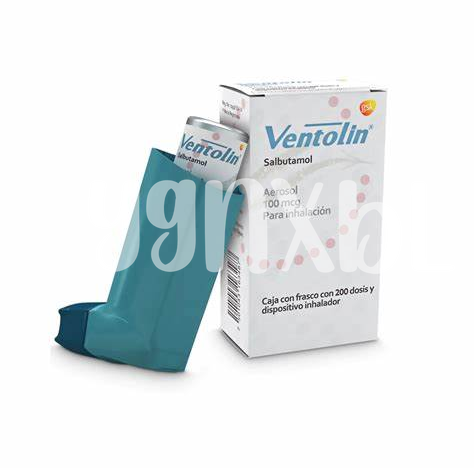
You may feel panic as breaths shorten; sit upright, focus on slow inhalations, and try two puffs from your ventolin inhaler and breathe steadily.
If no improvement after two minutes, repeat two puffs, monitor pulse and color, and call for help if symptoms worsen or dizziness.
Use your written action plan, take prescribed emergency meds if instructed, avoid exertion, and keep family informed while you reassess for support.
If relief does not come or symptoms escalate—severe breathlessness, blue lips, fainting—call emergency services immediately and seek urgent help without delay now.
When to Seek Emergency Care with Clear Decisions
After several puffs of your ventolin inhaler with little improvement, a quiet panic can settle in. If breathing worsens, you can't complete sentences, lips or nails turn blue, or you grow dizzy and confused, treat it as an emergency: stop waiting and get urgent medical help immediately.
Call emergency services, explain you are having an asthma attack despite using a ventolin inhaler, describe worsening signs. While waiting, sit upright, use rescue doses or spacer if available, stay calm, and have someone ready to share your medication history with responders immediately.
Talking to Your Clinician about Controller Therapy Changes

I remember panicking when my ventolin inhaler barely touched my breath; that moment pushed me to ask my clinician about better daily protection. Describe symptoms, frequency, and rescue use, bring peak-flow readings and current meds, and mention side effects—these details help guide changes like increasing inhaled corticosteroid dose or adding a long-acting agent.
Discuss adherence, triggers, and inhaler technique openly; often request a written plan and follow-up timeline. Ask whether biologic therapy or allergen-targeted steps suit you and how risks compare to benefits. Collaborative decisions reduce attacks and restore confidence.
Optimizing Inhaler Technique and Spacer Use for Effectiveness
After three frantic puffs that barely eased tightness, I learned that simple technique changes can transform relief. Always shake the ventolin inhaler, exhale fully, seal lips around the mouthpiece, press once and inhale slowly and deeply, then hold your breath for about ten seconds. Waiting one minute between puffs for multiple doses helps medication settle in the lungs rather than the throat, increasing effectiveness.
A spacer is especially helpful for children or anyone with coordination difficulty, reducing oropharyngeal deposition and boosting lung delivery. Clean spacers per manufacturer instructions, check inhaler counters, and practice with your clinician to confirm timing and positioning. Small fixes in technique often prevent repeat attacks and improve daily control and confidence.
| Step | Quick tip |
|---|---|
| Shake & prime | Ensure dose ready |
| Inhale & hold | Slow deep breath, hold ~10s |
| Spacer use | Attach, seal lips, two puffs if needed |
Developing an Action Plan to Prevent Future Attacks
When air stays tight after a rescue puff, imagine tracing the event like a detective: note triggers, time of day, activity and number of puffs used. Recording these details helps you and your clinician spot patterns and adjust prevention. Also record medication timing and side effects to guide safe changes.
Build a clear, practical plan that lists daily controller medications, how many rescue puffs are safe, and precise steps for escalating treatment. Include environmental controls, allergy management, and when to call for help so decisions feel less frantic. Agree on thresholds for school or work restrictions.
Practice the plan in calm moments, review it regularly, and carry a written copy for caregivers. Sharing the plan and inhaler technique with your clinician improves safety and can reduce future attacks. Rehearse steps with family members. NHS: Salbutamol inhaler FDA: Ventolin HFA label
 Copyright 2006 CULIA KI CLINIC INC. All rights reserved