To Buy Valtrex Online Visit Our Pharmacy ↓
 **valtrex Vs. Acyclovir: Which Is Better?**
Understanding the Basics: Valtrex and Acyclovir Explained
Valtrex and acyclovir are both antiviral medications used primarily to combat infections caused by certain viruses, such as herpes simplex and varicella-zoster. While acyclovir has been a mainstay in antiviral therapy for decades, Valtrex, the prodrug of acyclovir, offers a more convenient dosing schedule. Upon ingestion, Valtrex is converted to acyclovir, providing similar benefits with improved bioavailability, which means it’s more efficiently absorbed by the body.
Patients often find that Valtrex allows for fewer daily doses, which can enhance adherence to treatment regimens. This feature is particularly appealing for those managing chronic conditions like herpes. Both medications target viral replication but may have differences in onset and duration of action. Understanding these basics can help patients make informed choices about their treatment options.
Moreover, both drugs have paved the way for innovative antiviral therapies and are crucial in managing outbreaks and reducing transmission risks. By knowing how Valtrex and acyclovir function, individuals can better engage in discussions with their healthcare providers, ultimately leading to more tailored and effective treatment solutions.
| Medication | Type | Dosage Frequency | Bioavailability |
|---|---|---|---|
| Valtrex | Prodrug of Acyclovir | Less frequent (typically 1-2 times/day) | Higher |
| Acyclovir | First-generation Antiviral | More frequent (typically 5 times/day) | Lower |
Comparing Effectiveness: Which Drug Delivers Better Results?
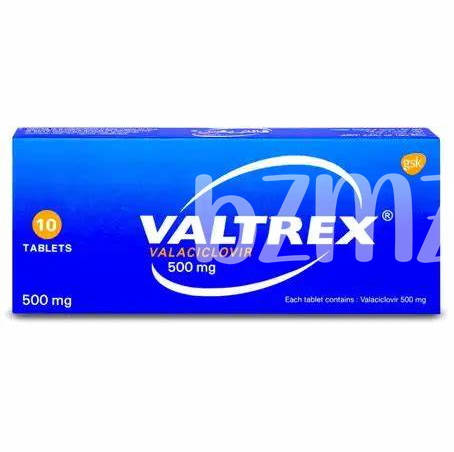
Valtrex, an advanced formulation of acyclovir, offers a significant enhancement in bioavailability, allowing for less frequent dosing while maintaining potent antiviral effects. Clinical studies have shown that patients using Valtrex often experience faster healing times for herpes lesions compared to those on traditional acyclovir. This improvement not only promotes comfort but also supports patients in managing symptoms more effectively.
When evaluating effectiveness, it's essential to consider the types of infections being treated. While both medications target the herpes virus, Valtrex tends to deliver superior results in recurrent outbreaks, providing prompt relief and a higher success rate in reducing the duration of symptoms. Patients with frequent recurrences often find Valtrex more beneficial for their ongoing healthcare needs.
Moreover, some studies suggest that Valtrex offers better suppression of the herpes virus in comparison to acyclovir, further decreasing the likelihood of transmission. This decisive factor can have profound implications for patients’ quality of life, allowing them to manage their condition with greater confidence. Ultimately, the choice between valtrex and acyclovir may hinge on individual patient needs and their response to treatment.
Dosage Differences: How Much Should You Take?
When considering surface-level distinctions between Valtrex and Acyclovir, dosage patterns can significantly impact treatment efficacy. Valtrex, a prodrug of Acyclovir, is often more convenient, typically requiring fewer doses per day. For acute herpes outbreaks, adults may find themselves using Valtrex twice daily compared to the multiple daily doses of Acyclovir. This streamlined approach may encourage better adherence to treatment regimens.
On the other hand, Acyclovir dosages can vary markedly depending on the severity of the condition being treated. In contrast, Valtrex offers a predictable dosing schedule, facilitating more straightforward management of dosage. Understanding these differences is essential in maximizing the benefits of either medication while minimizing potential complications.
Side Effects: What Are the Risks and Benefits?
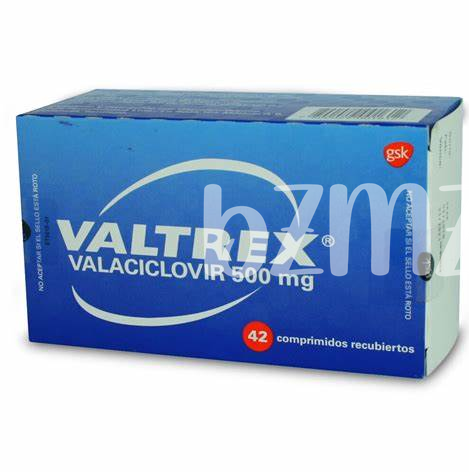
Understanding the side effects of medications like Valtrex and Acyclovir is essential for informed decision-making. Valtrex, a newer formulation of Acyclovir, often boasts a more favorable dosing schedule and may be easier for patients to manage. While both medications share common side effects such as nausea and headache, Valtrex can sometimes lead to less frequent dosing and potentially improved adherence, allowing for a more convenient treatment experience.
However, the risk of adverse reactions exists with both drugs. Serious side effects, though uncommon, can include renal impairment or severe allergic reactions. Therefore, consulting a healthcare provider is crucial to ensure that the benefits of Valtrex or Acyclovir outweigh any potential risks for individuals considering these treatments.
Cost Comparison: Is One Option More Affordable?
When considering the financial implications of Valtrex and Acyclovir, patients often find themselves weighing the cost against potential benefits. Valtrex typically comes with a higher price tag due to its advanced formulation, which allows for less frequent dosing and greater convenience. In contrast, Acyclovir is generally more budget-friendly, making it a preferred option for those who prioritize cost over convenience.
| Drug | Average Cost (per prescription) | |------------|----------------------------------| | Valtrex | $800 - $1,200 | | Acyclovir | $100 - $300 |
Ultimately, the choice may rest on a patient’s insurance coverage, personal finances, and specific health needs. For some, the higher expense of Valtrex might be justified by its ease of use and effectiveness, while others may choose Acyclovir to manage their expenses without compromising on treatment efficacy.
Patient Experiences: Real Stories Behind the Medications
Patients have shared a range of experiences when it comes to using Valtrex and Acyclovir. Many express relief at the quick relief from symptoms, particularly with Valtrex, which is noted for its convenient dosing schedule. Users often highlight how the improved absorption of Valtrex allows for fewer daily doses, making it easier to incorporate into their routines.
Conversely, some individuals find Acyclovir effective yet cumbersome due to its more frequent dosing requirements. Testimonials reveal that while Acyclovir may be seen as a more affordable option, the side effects experienced can deter some patients. Overall, personal stories reveal crucial insights into how these medications impact day-to-day life, influencing treatment choices.
 Copyright 2006 CULIA KI CLINIC INC. All rights reserved