To Buy Tenormin Online Visit Our Pharmacy ↓
 Tenormin Vs Metoprolol: Which Suits You?
Mechanisms: How Tenormin Differs from Metoprolol
Imagine two familiar companions for a racing heart: atenolol tends to stay in the bloodstream, targeting beta‑1 receptors in the heart with limited brain penetration, producing steady rate and pressure control with fewer central effects.
Metoprolol, by contrast, is more lipophilic and crosses the blood‑brain barrier, is extensively metabolized by CYP2D6 and often requires dose adjustments; it can be formulated for rapid or sustained action, altering onset and duration.
Clinically these differences influence tolerability: atenolol may be preferred for patients susceptible to nightmares or fatigue, while metoprolol’s central effects and hepatic clearance make it versatile in ischemic heart disease but sensitive to drug interactions and may require careful dose titration in older adults.
| Atenolol | Metoprolol |
|---|
Comparative Effectiveness for Hypertension and Heart Disease
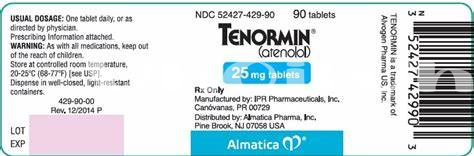
Clinically, both drugs lower blood pressure and reduce angina, but they aren’t identical. tenormin (atenolol) and metoprolol show broadly similar antihypertensive potency, yet outcome studies hint at nuanced differences in cardiovascular event reduction in some.
Metoprolol is more lipophilic, penetrates the brain, and the extended‑release succinate formulation demonstrated mortality benefits in systolic heart failure trials. Tenormin tends toward renal elimination and produces fewer central nervous system side effects in patients.
Head‑to‑head studies generally report comparable blood pressure reductions, yet pooled analyses have questioned atenolol’s stroke prevention compared with other agents. Metoprolol is often favored after myocardial infarction, reflecting trial evidence and guideline recommendations in practice.
When choosing, weigh heart failure history, post‑MI needs, tolerance, and lifestyle. Tenormin can suit patients worried about central side effects, while metoprolol often prevails when mortality data and heart failure benefits guide therapy. Discuss options.
Side Effects, Drug Interactions, and Safety Considerations
When starting a beta-blocker, many notice fatigue, cold extremities, and slowed pulse. Tenormin (atenolol) tends to cause fewer central nervous system effects than lipophilic agents, but bradycardia and exercise intolerance remain common risks for some.
Many medicines interact: combining beta-blockers with nondihydropyridine calcium channel blockers or certain antiarrhythmics can dangerously slow heart rate and conduction. Unlike metoprolol, tenormin has minimal CYP metabolism, lowering some drug-interaction risks but not all either.
Avoid in reactive airways disease when possible: bronchospasm risk is higher with nonselective agents, but careful use still may trigger problems. Beta-blockers can blunt hypoglycemia symptoms; monitor diabetic patients closely and adjust in renal impairment.
Stopping suddenly risks rebound hypertension, angina, or arrhythmia; taper gradually under supervision. Report dizziness, shortness of breath, or fainting. Discuss pregnancy, driving, and sexual side effects with your clinician to personalize tenormin or alternative choice.
Dosing Forms, Frequency, Titration, and Practical Adjustments

Morning routines often shape medication success: atenolol (Tenormin) usually comes as once-daily tablets while metoprolol appears as immediate- and extended-release versions requiring once- or twice-daily dosing. Choosing formulation can simplify adherence, with long-acting options smoothing blood-pressure control and short-acting forms offering flexibility for dose changes.
Titration is a conversation between patient and clinician; start low, adjust gradually, monitor pulse and blood pressure, consider renal function for atenolol. Practical adjustments include taking doses at same time daily, avoiding abrupt cessation, reporting dizziness or fatigue. These steps turn pharmacology into manageable care.
Choosing Based on Age, Comorbidities, Lifestyle Factors
As you age, physiology changes and drug choice matters. Older adults often tolerate tenormin differently than younger patients; lower starting doses, attention to orthostatic hypotension, and kidney or liver function guide clinicians toward safer selections.
Chronic conditions shape selection: in diabetes, beta-blocker effects on hypoglycemia awareness matter; with asthma or COPD, selective agents reduce bronchospasm risk. Heart failure demands evidence-backed dosing while depression or sexual dysfunction concerns steer preferences appropriately.
Lifestyle influences drug fit; daily routines, exercise, and adherence affect whether a once-daily tenormin works. Shift work, travel, and alcohol use color adherence risks.
| Factor | Consideration |
|---|---|
| Activity | Once-daily preferred |
Discuss priorities with your clinician: symptom control, side effect tolerance, and daily schedule. Medication choice should balance evidence with personal goals; when in doubt, start low, monitor, and adjust collaboratively for safest outcomes with follow-up.
Decision Checklist: Which Beta-blocker Suits Your Needs
Start by listing your goals: blood pressure control, heart-rate lowering, or symptom relief. Include past reactions to medications and family history and lifestyle factors.
Consider Tenormin’s once-daily simplicity versus metoprolol’s flexible dosing; review asthma, diabetes, exercise tolerance, sexual function, and medication cost, and discuss with clinician.
Titrate slowly, monitor heart rate and blood pressure, and watch for dizziness or fatigue. Carry an action plan for missed doses regularly.
Older adults may prefer Tenormin for adherence; younger patients or those needing titration might favor metoprolol. Always personalize with shared decision-making today.
 Copyright 2006 CULIA KI CLINIC INC. All rights reserved