To Buy Tadarise Online Visit Our Pharmacy ↓
 Tadarise Dosage Guide: Finding Right Dose Safely
Understanding Tadarise: How Dosing Really Works
Dosing isn’t arbitrary; it balances effectiveness and safety. Tadarise uses tadalafil, a long-acting PDE5 inhibitor, so small changes can change onset and duration. Typical tablet strengths range from low daily doses to higher on-demand pills, and individual response depends on age, kidney or liver function, other medicines, and cardiovascular health. Start low and adjust cautiously.
Monitoring side effects, timing relative to meals and alcohol, and interactions with nitrates are essential. Work with your clinician to pick a starting dose, track effectiveness and adverse effects, and only increase under guidance. If you experience chest pain, sudden vision loss, or painful prolonged erections, seek immediate medical attention; those are signals to stop and get emergency care now.
| Strength | Typical Use |
|---|---|
| 5 mg | Daily low dose |
| 10–20 mg | On-demand higher dose |
Typical Dose Ranges and When to Adjust

Dosing for tadarise typically falls into low, standard, and high ranges: low daily doses of 2.5 to 5 mg, as-needed options of 5 to 10 mg, and higher 20 mg doses reserved for inadequate response. Clinicians match this to how often you need relief and how your body tolerates the medication.
Adjustments are made if effects last unusually long, side effects occur, or kidney or liver impairment exists. Older adults start lower to test tolerability.
If an initial dose is ineffective after attempts, a clinician can titrate upward; if adverse symptoms appear, reduce or stop and seek medical review. Always discuss other medications to avoid interactions.
Choosing Your Starting Dose: Factors to Consider
Start modestly: imagine testing water before diving, using a low tadarise dose to gauge effect and tolerability safely over several controlled attempts.
Age, liver or kidney health, and other medicines shape choice; discuss these with a clinician who can recommend an initial milligram dose.
Start smaller if you have cardiovascular issues or take nitrates; titration and monitoring help balance benefit and risk for the individual over time.
Keep a symptom diary and report headaches, vision changes, or chest pain; adjusting dose or switching therapy may be advised by your provider.
Timing, Frequency, Food Effects, and Alcohol Risks
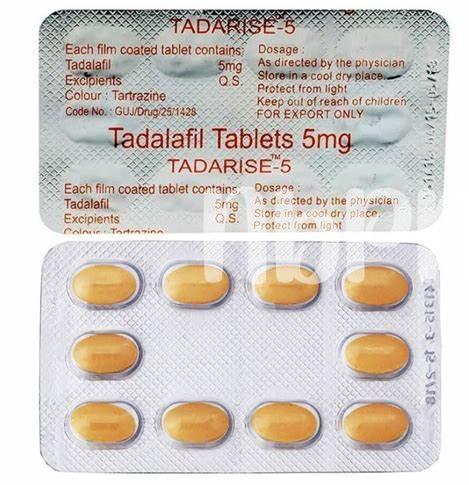
Many men find predictable results when they take tadarise at the same time before intimacy; consistency helps gauge effectiveness and side effects, creating a routine that informs future dose adjustments.
Typically dosing follows once-daily use for regular erectile support or single-event timing; avoid taking multiple doses within 24 hours, as accumulation increases side effect risks significantly and consult your prescriber.
Taking it after a heavy, fatty meal can delay onset by hours, so plan dosing around meals; grapefruit juice may alter metabolism, so discuss dietary habits with your clinician regularly.
Alcohol increases lightheadedness and reduced effectiveness; avoid heavy drinking with tadarise and never combine it with nitrates, seek care for chest pain or fainting immediately.
Recognizing Side Effects and When to Seek Help
Imagine noticing a sudden headache or facial flushing after taking tadarise. These common effects often fade, but tracking timing helps you and your clinician adjust dosing. More concerning signs such as chest pain, fainting, severe dizziness, or changes in vision require immediate medical attention. Keep a symptom diary to spot patterns and protect your health.
If side effects persist or interrupt daily life, stop dosing and contact your provider for advice. For severe or allergic symptoms call emergency services now. Do not wait, as prompt care can avert serious complications.
| Symptom | Suggested Action |
|---|---|
| Mild | Monitor |
Interactions, Contraindications, and Safe Medication Combinations
Before combining treatments, pause and map current medicines — some heart and blood-pressure drugs amplify effects, causing dangerous drops. Your story matters: age, liver or kidney issues, and other conditions change risk.
Avoid nitrates entirely; they can trigger severe hypotension when mixed. Also be cautious with certain antibiotics, antifungals, and HIV protease inhibitors that raise blood levels.
Herbal supplements and grapefruit juice aren’t innocent — they can alter metabolism and intensify side effects. Discuss every OTC product with your prescriber to tailor a safe plan.
If dizziness, fainting, chest pain, or vision changes occur, stop use and seek urgent care. Regular review with your clinician ensures effective relief without compromising safety and medication reconciliation periodically, too.
 Copyright 2006 CULIA KI CLINIC INC. All rights reserved