To Buy Symbicort Online Visit Our Pharmacy ↓
 Symbicort Inhaler Technique: Maximize Dose Delivery
Master Device Preparation: Priming, Shaking, and Checking
Treat the inhaler like a small machine: before first use, release a test spray to prime it and ensure the medicine is ready.
Always shake the device briskly for a few seconds; this mixes the particles so each puff contains the intended dose.
Check the mouthpiece and canister for dirt, damage, or a full dose counter; clear debris and report defects before use.
A brief ritual of prime, shake, and inspect makes every inhalation more reliable—little steps that protect your breathing plan and support long-term control with fewer attacks overall.
| Step | Quick tip |
|---|---|
| Prime | 2 test sprays before first use |
| Shake | 5–10 seconds before each puff |
| Check | Clear mouthpiece; monitor dose counter |
Perfect Your Breathing: Slow Deep Inhalation and Hold
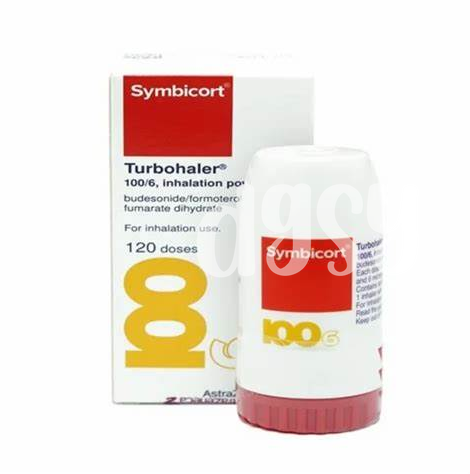
Imagine the medicine as a tiny parachute drifting toward your lungs; a slow, steady breath helps it land where it's needed. Before pressing the canister, exhale gently, then inhale slowly and deeply through the mouth so the aerosol carries into the lower airways. This measured inhalation reduces oropharyngeal deposition and enhances delivery of symbicort to small bronchioles.
After inhaling, hold your breath for about ten seconds or as long as comfortable to let particles settle into the lungs. Release slowly, then repeat if another puff is prescribed, remembering to wait the recommended interval between doses. Practicing this rhythm builds confidence and ensures each puff counts toward better symptom control. This preserves medication and improves control.
Coordinate Actuation with Inhalation: Timing Is Everything
Imagine conducting a tiny orchestra: the single press of your inhaler must synchronize with your breath. Before pressing, exhale gently, then begin a slow, steady inhalation and trigger the device as your lungs open. This coordinated action helps propel symbicort deeper into the airways, increasing medication reaching the lungs rather than settling in the mouth or throat.
Hold your breath for about ten seconds if you can, then exhale slowly. If timing fails, stop, breathe normally, and retry with a new dose following manufacturer guidance. Practice regularly with an empty device to build confident rhythm. If frequent misses occur, ask a clinician or pharmacist to observe and coach your technique for safer, better symptom control.
Use Spacer When Needed to Boost Lung Deposition

A caregiver watched her son transform from coughing fits to calmer breaths adding a spacer in his regimen. The device slowed aerosol speed and allowed more medication to drift into small airways, improving inhalation efficacy.
Clinically, spacers reduce throat deposition and increase the fraction reaching lungs — especially useful for children and anyone who struggles with timing. With symbicort, this can translate to fewer wasted doses and steadier symptom control overall.
Technique matters: attach the spacer firmly, shake the inhaler, prime if needed, then actuate into the chamber while breathing out fully. Inhale slowly from the mouthpiece and hold breath for ten seconds to improve deposition.
Maintain the chamber: rinse weekly, air-dry, and avoid touching the mouthpiece. If coughing, taste changes, or poor control persist despite correct use, consult your clinician promptly — adjustments to dose, device, or training may be needed.
Clean and Maintain Device for Consistent Dose Delivery
A regular cleaning ritual keeps your inhaler working reliably and ensures each symbicort dose reaches your lungs. Wipe the mouthpiece weekly with a dry cloth, remove caps and check for debris, and avoid water inside the canister to protect the propellant.
Monthly deep checks can catch sticky valves: detach the plastic casing, air-dry components completely, and inspect for cracks or residue. Replace parts per manufacturer guidance and note expiry dates on the inhaler to prevent weak doses. If you use a spacer, clean and air-dry it regularly to prevent bacterial buildup.
A short maintenance log helps you spot performance changes and reminds you when to clean, replace, or seek pharmacist help. Consistent care is simple, fast, and pays off in better symptom control and fewer wasted sprays. Record number of actuations to track remaining doses and avoid unexpected runouts quickly.
Recognize Common Errors and Troubleshoot Technique Mistakes
Many users tell stories of wasted puffs: failing to prime, shaking poorly, or firing too early while inhaling quickly. These slipups often leave medicine coating the throat instead of reaching small airways and can make symptoms seem worse despite correct prescription.
Fixes are simple: re-prime if doubts remain, practice slow deep inhalations synchronized with actuation, and subscribe to a spacer when coordination fails. Regular cleaning, checking dose counters, and demonstrating technique to a clinician or caregiver quickly restores reliable delivery and confidence. Keep a short checklist after every inhaler session.
 Copyright 2006 CULIA KI CLINIC INC. All rights reserved