To Buy Prelone Online Visit Our Pharmacy ↓
 Prelone Dosage Guide: Pediatric and Adult Considerations
How the Medication Works Mechanism and Basics
Imagine a tiny signal altering a cascade inside cells, calming inflammation and modulating immune responses. This concise primer frames expectations for dosing and safety.
Teh medication binds receptors, changes gene transcription, and shifts fluid balance to reduce swelling and discomfort. It also influences metabolism and electrolyte handling which guides monitoring plans.
Onset, duration, and intensity differ by dose and patient factors; clinicians weigh risks and benefits before choosing therapy.
Clear guidance, monitoring, and communication help families and adults recieve appropriate care and anticipate side effects. Regular review prevents serious complications.
Children's Dosing Rules Age Weight Frequency Guidance
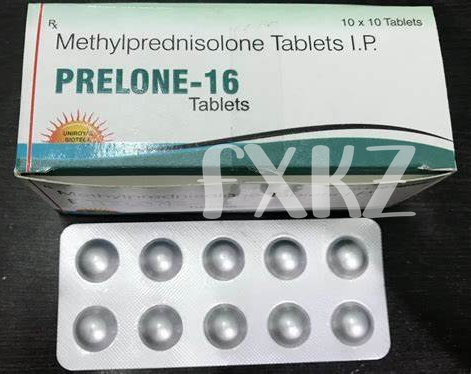
When a child receives prelone, dosing usually centers on weight-based calculations (mg/kg) rather than age alone. Caregivers are guided to use precise measuring syringes and to double-check math with the prescriber; small rounding differences can change exposure. Teh initial dose, frequency and duration depend on severity, formulation and clinician judgement, with conservative starts for younger toddlers.
Typical regimens are divided doses given twice or thrice daily, but acute flares may require higher daily totals or alternate-day schedules. Monitor growth, behavior, blood pressure and glucose; lab checks should be established and adjustments made promptly in coordination with the pediatrician. Occassionally specialists will recommend tapering plans if therapy will be prolonged, to reduce withdrawal and rebound risks.
Adult Dosing Options Low Moderate High Scenarios
A clinician remembers the first time they chose prelone for an adult with stubborn asthma; Teh decision balanced efficacy and safety. Dosing is individualized based on comorbidities, prior response, patient preference and risk factors.
Low doses often control mild inflammation and serve as maintenance, minimising side effects while providing symptom relief.
Moderate regimens target flares and functional improvement, with shorter courses and monitoring for glucose or mood changes.
High intensity use is reserved for severe or refractory disease, requiring close follow-up, infection surveillance, and a cautious taper to avoid withdrawal.
Adjustments for Renal Hepatic Impairment Elderly Patients

Clinicians balance efficacy and safety when dosing glucocorticoids in patients with reduced organ function. For drugs like prelone, lower starting doses and slower titration are prudent.
Renal impairment rarely requires major dose cuts for short courses, but cumulative exposure matters; monitor electrolytes and fluid status to guide changes. Adjustments should consider eGFR, dialysis timing, and cumulative steroid burden.
Hepatic dysfunction reduces steroid clearance; consider smaller daily doses and anticipate prolonged effects. Liver disease increases infection risk, so advise patients to report fevers. Check liver enzymes before prolonged therapy regularly.
Elderly patients have physiologic decline, comorbidity, and polypharmacy; start low and go slow, reassess often, and prefer steroid-sparing approaches. Occassionally dose reductions are the safest option.
Tapering Strategies Avoiding Withdrawal and Rebound
A gradual plan reduces risks when stopping corticosteroids like prelone. Start by assessing dose, duration, and symptoms; longer courses need slower changes.
Common approaches cut daily dose by 10–20% every one to two weeks, watching for return of inflammation. Clinicians balance underlying disease activity with HPA axis recovery, using morning cortisol tests if worrisome.
In pediatrics, smaller increments and longer intervals are prudent; consider alternate-day schedules before cessation. Patients and caregivers need clear instructions and a plan to seek help if new symptoms occur. Occassionally a brief steroid burst might be safer than rapid discontinuation.
Monitor blood pressure, glucose, mood, and infection signs; adjust more slowly in elderly or prolonged therapy.
| Step | Action |
|---|---|
| 1 | Reduce dose by 10% |
| 2 | Assess symptoms weekly |
Safety Monitoring Side Effects Labs When to Act
Prescribing Prelone invites a partnership: families and clinicians should track symptoms, vitals, and labs. Start with baseline blood pressure, glucose, electrolytes and liver tests, then monitor periodically; weight and behavioral changes are red flags. Occassionally mild side effects like insomnia or appetite shifts resolve, but new fevers, severe abdominal pain, or visual change require prompt eval and dose change.
Document adverse effects and use targeted testing: fasting glucose or HbA1c for hyperglycemia risk, serum potassium if prolonged use, and CBC for unexplained infection. Provide clear instructions on when to call and arrange urgent review for suspected adrenal insufficiency, uncontrolled hypertension, or symptoms suggesting severe infection; timely action generally prevents complications and guides safe ongoing therapy. MedlinePlus PubChem
 Copyright 2006 CULIA KI CLINIC INC. All rights reserved