To Buy Prednisone Online Visit Our Pharmacy ↓
 Tapering Prednisone Safely: Doctor-approved Strategies
Understanding Prednisone Withdrawal: What to Expect
Leaving a course of prednisone can feel like stepping into unfamiliar terrain: energy dips, muscle weakness and mood swings may arrive unexpectedly, and simple tasks can seem harder. Patients often describe a slow fog lifting and returning in waves, which can be distressing but is often temporary.
Work with your physician to create a slow taper, monitor blood pressure and electrolytes, note warning signs like fainting, nausea or worsening breathlessness. Rest, hydration and gradual activity help recovery; seek immediate care for sudden collapse or uncontrollable symptoms to prevent adrenal crisis.
| Symptom | Action |
|---|---|
| Fainting | Seek immediate care |
| Nausea/Dizziness | Contact clinician |
| Severe weakness | Emergency evaluation |
Creating a Personalized Taper Schedule with Your Doctor
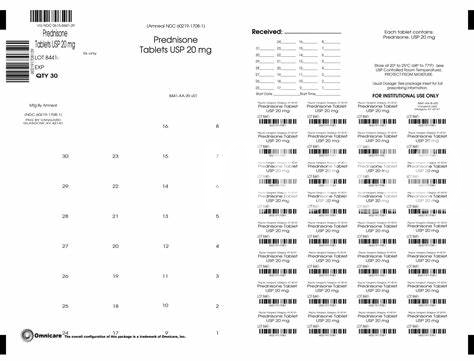
At the clinic I sat with my physician and we sketched a stepwise plan tailored to my history, current dose and goals. Prednisone had been a lifesaver, yet stopping too quickly risked adrenal insufficiency. Together we agreed on small percentage reductions spaced over weeks, with slower steps after longer treatment or higher doses. The schedule balanced symptom control, lab markers and a safety net for flare management and patient reassurance.
We built in regular check-ins and baseline tests to track cortisol, inflammation and metabolic effects, plus guidance for when to pause reductions. If withdrawal symptoms surfaced, the plan allowed temporary dose increases and slower tapering; if labs were stable we advanced as planned. Clear instructions, written timelines and a phone number for questions turned uncertainty into partnership, empowering me to taper safely while minimizing relapse and preserving long-term adrenal health.
Monitoring Symptoms and Lab Tests during Tapering
As you taper prednisone, tracking protects recovery. Record symptoms daily — energy, appetite, mood, joint pain, dizziness — and note timing around dose changes. Small shifts may signal adrenal adjustment or an inflammatory flare that needs discussion with your doctor.
Regular labs guide decisions: morning cortisol or ACTH stimulation, basic metabolic panel for sodium and potassium, fasting glucose and CBC. Share results promptly with your clinician; serial trends matter more than single values during tapering and inform dose adjustments necessary.
Keep a symptom diary and record blood pressure and glucose if advised. Report severe dizziness, fainting, persistent fever, or sudden worsening of pain immediately. Regular check-ins let your team pause or adjust prednisone taper safely.
Managing Side Effects and Boosting Resilience Naturally
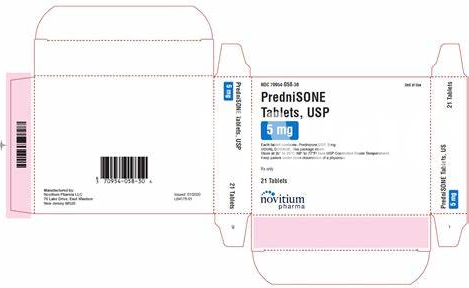
After weeks on prednisone, many feel jittery, hungry, or sleepless; acknowledging these symptoms helps patients stay calm and collaborate with their clinician to reduce risks and set realistic expectations together.
Small lifestyle shifts—balanced meals, adequate calcium and vitamin D, gentle exercise, and sleep hygiene—support adrenal recovery and mood stability while mindfulness or breathwork eases anxiety during dose reductions with guidance.
Track symptoms and basic labs, discuss supplements like omega-3s, and report fatigue or fainting promptly; timely adjustments prevent setbacks and reinforce confidence as steroids are tapered safely with your doctor.
Adjusting Dosage Safely: Knowing When to Slow
When tapering, listen to your body and keep a log of symptoms; little red flags like fatigue, joint stiffness or mood shifts can mean it's time to pause. Talk with clinician before each change, remember prednisone effects vary widely.
A gradual step-down is safer than abrupt cuts; typical adjustments shave small fractions off the dose and extend intervals between reductions. If symptoms resurface or labs worsen, reversing to the previous dose for weeks, often stabilizes you.
Use objective markers: blood pressure, glucose, inflammatory markers and morning cortisol help guide decisions. Patient-reported outcomes matter too—alertness, sleep and pain scores provide essential context.
Slow, flexible reductions with your doctor reduce relapse risk.
Long-term Recovery: Preventing Relapse and Steroid Dependence
Recovery often feels gradual; celebrate small wins like restored sleep and returning appetite. Allow patience; recovery timelines vary.
Work with your clinician to taper sensibly, keep follow-up labs, and track symptoms in a journal. Consider psychological support for coping.
Build resilience through nutrition, graded exercise, stress reduction, and good sleep hygiene to support adrenal recovery. Supplements should be discussed with your provider.
Recognize warning signs of relapse—worsening fatigue, pain, or weight changes—and contact your doctor promptly to adjust treatment. Gradual lifestyle changes reduce reliance and empower long-term wellness and resilience.
 Copyright 2006 CULIA KI CLINIC INC. All rights reserved