To Buy Mounjaro Online Visit Our Pharmacy ↓
 Starting Mounjaro: First Week Expectations
What to Expect during Your Very First Dose
Your first injection can feel hopeful and slightly strange. Expect mild arm soreness and occasional lightheadedness as your body adjusts; these sensations often fade within a day. Stay seated a few minutes after dosing and keep a small snack nearby in case of nausea.
Many people notice hunger changes or reduced cravings within a few days. Track symptoms, blood sugar, and energy; record any dizziness or severe nausea. If discomfort persists beyond a week or you experience fainting, fast heartbeat, or persistent vomiting, contact your clinician promptly for dose guidance.
| Symptom | Immediate Tip |
|---|---|
| Arm soreness | Apply ice, gentle movement |
| Nausea | Eat small snack, sip water |
| Dizziness | Sit/lie down, check blood sugar |
Common Early Side Effects and How to Manage
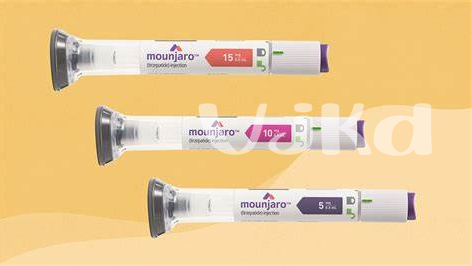
During that first week on mounjaro many people feel mild nausea, dry mouth, headache, or loose stools; the body is recalibrating and doses are small but noticeable. I remember the first evening when a faint queasiness nudged dinner plans—simple shifts often suffice, and symptoms often peak early then settle as your system adapts.
To manage: eat bland, small meals, sip water slowly, avoid fatty or spicy foods, and rest when needed. Over-the-counter anti-nausea or acetaminophen can help—check with your prescriber. Track symptoms in a journal and report anything persistent, severe, or accompanied by fever or persistent vomiting. Small adjustments usually keep the first-week hurdles manageable. Staying consistent with timing reduces confusion and improves tolerability overall.
How Appetite and Cravings Might Rapidly Change
The first days can feel surprising: hunger pangs fade and routine snacking might suddenly feel unappealing. Many people describe a clear shift within 48–72 hours as the body adjusts to the medication and metabolic signals recalibrate, often noticeable.
Cravings for sweets often diminish quickly, but some foods retain emotional pull. Plan small, satisfying meals to avoid emptiness or overcompensation, and choose protein- and fiber-rich options to stabilize fullness. If you notice abrupt changes, track them to discuss with your clinician.
Keep in mind that individual responses vary; watching patterns while taking mounjaro helps set realistic expectations and informs safe, steady eating adjustments. Small, mindful choices tend to support comfort and progress during this early phase.
Tracking Blood Sugar and Vital Signs First Week
I started small, testing before meals and two hours after to learn my pattern; those first readings felt like a conversation with my body.
My team suggested logging fasting and postprandial values and noting heart rate and blood pressure once daily, especially while adjusting to mounjaro. Keep a simple log or app with time, reading, medication, meals and symptoms — clinicians appreciate concise records and can adjust treatment faster when you bring accurate early-week data to appointments and always ask about what ranges should prompt immediate action please.
If glucose dips or spikes, record what you ate, activity level, and any nausea; patterns emerge quickly in the first week.
Contact care for persistent high or low readings, sustained tachycardia, fainting, or severe dizziness—these are red flags that shouldn't be ignored. Use clear notes to support smarter dose and meal timing decisions.
Practical Tips: Food, Hydration, and Timing Adjustments
Starting your first week on mounjaro often feels like tuning a new instrument: small adjustments matter. Begin with modest meals that balance protein, fiber and healthy fats to steady blood sugar and curb nausea. Sip water regularly — dehydration can mimic hunger and worsen headaches. If you wake lightheaded, eat a quick protein snack and sit before standing. Space larger meals by two to three hours and consider smaller, frequent portions when appetite shifts.
Timing injections around meals may reduce gastrointestinal upset; aim for consistent timing each day and log responses. Avoid heavy, greasy foods early on and choose bland, easy-to-digest options if nausea appears. Keep electrolyte drinks or salted crackers handy for sudden drops in energy. Track what you eat and when to spot patterns quickly, and share this log with your clinician to fine-tune meal timing and hydration strategies.
| Tip | Example |
|---|---|
| Hydration | 2 L/day |
When to Call Your Doctor: Red Flags
The first week can feel uncertain: if you notice severe nausea, persistent vomiting, severe abdominal pain, signs of dehydration, or a fainting spell, call your doctor immediately. Also report a rapid heart rate, chest pain, sudden shortness of breath, or low blood sugar symptoms you cannot correct—particularly if you use insulin or a sulfonylurea. Mention severe dizziness, persistent fever, or worsening confusion.
Seek urgent care for severe, radiating abdominal pain that might indicate pancreatitis, or for hives, facial swelling, difficulty breathing, or fainting that suggests an allergic reaction. Notify your clinician about jaundice, dark urine, severe unexplained weakness, or rapid weight loss. Bring your home glucose logs and note symptom timing; timely communication helps clinicians decide whether to adjust dose, pause treatment, or order tests. Carry identification card with medication, allergies and emergency contacts. When unsure, call—early evaluation prevents complications. FDA prescribing information NCBI: tirzepatide
 Copyright 2006 CULIA KI CLINIC INC. All rights reserved