To Buy Mobic Online Visit Our Pharmacy ↓
 Mobic Vs Other Nsaids: a Comparative Analysis
Understanding Mobic: a Pharmacological Overview
Mobic, also known by its trade name Meloxicam, is an NSAID used primarily for its anti-inflammatory and analgesic properties. Unlike traditional NSAIDs, Mobic offers a longer duration of action due to its extended half-life, making it a convenient option in pain management scripts. This elixir is often chosen for its ease of dosing and efficacy in treating chronic conditions like osteoarthritis and rheumatoid arthritis.
HTML table:
| Feature | Mobic | Traditional NSAIDs |
|---|---|---|
| Duration | Long-acting | Short to medium |
| Prescription Frequency | Once daily | Multiple times a day |
| Uses | Chronic conditions | Acute and chronic conditions |
What sets Mobic apart is its potent inhibition of the COX-2 enzyme, resulting in reduced gastrointestinal side effects compared to other NSAIDs. This compound medication is preferred for patients requiring long-term anti-inflammatory treatment while wanting to minimize the risk of ulcers and other GI complications often associated with traditional NSAIDs.
Mobic Vs Traditional Nsaids: Efficacy and Potency

Mobic, also known by its generic name meloxicam, stands out in the landscape of NSAIDs due to its unique pharmacological profile. Designed to be a potent anti-inflammatory agent, Mobic is often considered a more powerful option compared to traditional NSAIDs like ibuprofen or naproxen. Its efficacy lies in its selective inhibition of the COX-2 enzyme, which reduces inflammation without significantly impacting the COX-1 enzyme responsible for protecting the stomach lining. This pharmacological advantage renders Mobic a preferred script for chronic conditions requiring long-term NSAID use.
Traditional NSAIDs generally provide rapid relief from acute pain and inflammation but may not be ideal for sustained use due to their broader impact on COX-1 and COX-2 enzymes. This can lead to various side effects, including gastrointestinal issues, which might require additional meds to manage. Mobic, on the other hand, offers long-lasting pain relief with a lower risk of gastrointestinal side effects, making it an appealing choice for patients and candymen alike.
In terms of potency, many patients find Mobic to be more effective in lower doses than traditional NSAIDs, potentially reducing the pill burden and minimizing the risk of side effects. The sig for Mobic typically entails once-daily dosing, which can enhance patient compliance compared to medications that require multiple doses throughout the day. In summary, Mobic provides a potent, effective alternative to traditional NSAIDs with a more targeted action, appealing to both prescribers and patients.
Safety Profile: Mobic Compared to Other Nsaids
The safety profile of Mobic is a topic of considerable interest, particularly when compared to other NSAIDs. While all NSAIDs come with inherent risks, including gastrointestinal (GI) issues and cardiovascular warnings, Mobic tends to offer a slightly improved safety margin. Unlike traditional NSAIDs, Mobic is a once-daily dose, reducing pill burden and making adherence to the script easier for patients.
The extended-release nature of Mobic means that it maintains a steady level in the bloodstream, potentially reducing the frequency of adverse side effects. Mobic has been noted for fewer GI complications compared to some older NSAIDs, a significant factor for those with a history of GI issues. Moreover, the "count and pour" convenience of Mobic's dosage can be a real benefit for pharmacists and patients alike.
However, as with any medication, it's crucial to adhere to the prescribed dosage—straying from the sig could lead to unintended complications. Stat attention should be given to any side effects experienced, no matter how mild they may seem, to mitigate risks effectively. Always consult with healthcare professionals before making any changes to your medication regimen.
Side Effects: Mitigating Risks with Mobic and Nsaids
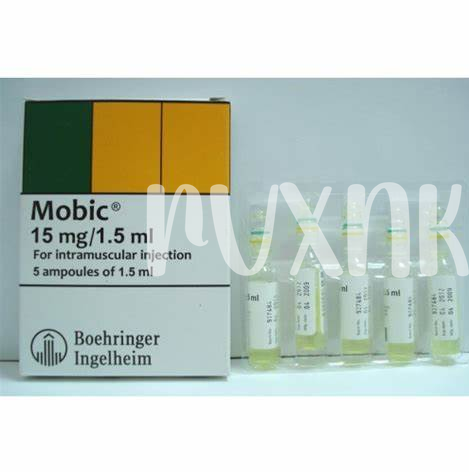
Navigating the landscape of NSAIDs can be challenging, but understanding the nuances of side effects is crucial for patient safety. Mobic, for instance, is often praised for its longer-lasting elixir effect, reducing the need for frequent dosing. However, both Mobic and traditional NSAIDs share common risks like gastrointestinal bleeding, cardiovascular events, and renal impairment. Healthcare providers need to mitigate these hangovers by following the Sig precisely and opting for generics when appropriate to reduce overall pill burden. Furthermore, patient education is essential. Clinicians should engage in quality time during consultations, ensuring that patients understand the potential side effects and the importance of adhering to the prescribed regimen to prevent complications.
It's equally important for healthcare providers to perform regular Med Recs and encourage patients to report any new or worsening symptoms stat. Dietary adjustments and concomitant use of gastroprotective agents can also help mitigate the risks. For instance, adding a proton pump inhibitor might alleviate some gastrointestinal concerns associated with both Mobic and other NSAIDs. Count and pour vigilance in monitoring organ function through lab tests will help catch any adverse effects early. This proactive approach ensures that therapy not only remains effective but also significantly safer for the patient in the long term.
Cost Analysis: Mobic and Other Nsaids in the Market
When it comes to pharmaceuticals, the cost can be a significant factor for patients and healthcare providers. Mobic, a widely used NSAID, often falls under the class of meds with a higher price tag. The cost disparity can largely be attributed to its brand-name status compared to generics. A quick look through the Drive-Thru at your local pharmacy can reveal stark differences in pricing between Mobic and more traditional, generic NSAIDs like ibuprofen or naproxen.
Getting a Script for Mobic typically involves a higher out-of-pocket cost unless covered by a comprehensive PBM plan. This contrasts with generic NSAIDs, which are usually more budget-friendly and frequently available over the counter (OTC).
Here's a brief comparative table to illustrate:
| Medication | Approximate Cost (30-day supply) |
|---|---|
| Mobic (meloxicam) | $30-$50 |
| Ibuprofen (generic) | $5-$10 |
| Naproxen (generic) | $8-$15 |
For many patients, the Sticker Shock of Mobic's price may be a deterrent, leading them to opt for generics. It's essential to weigh these financial aspects while considering the efficacy and safety of the medication.
User Experiences: Testimonials and Clinical Outcomes
Mobic, or meloxicam, has garnered significant attention in patient testimonials, often praised for its efficacy in managing chronic pain and inflammation. User reviews frequently highlight that while some traditional NSAIDs required multiple doses, Mobic's once-daily script was a game-changer, simplifying their medication routine. Additionally, many users reported fewer gastrointestinal side effects, a prevalent issue with other OTC NSAIDs, making Mobic a preferred option for those with sensitive stomachs.
Clinical outcomes corroborate these user experiences, showing that Mobic not only provides potent anti-inflammatory effects but also boasts a lower incidence of negative side effects, such as GI bleeding. This attribute makes it particularly beneficial for long-term use in chronic conditions. In clinical settings, Mobic has been shown to achieve desired results with fewer interventions, often eliminating the need for additional medications, thus reducing the pill burden on patients.
Despite its benefits, some users noted the sticker shock associated with Mobic, especially when compared to generic options. However, many felt the cost was justified by the quality time it allowed them to regain in daily activities, thanks to reduced pain and discomfort. With the medication often touted in patient forums and pharm tech discussions for its strong performance, Mobic remains a compelling choice for those seeking effective and manageable pain relief.
 Copyright 2006 CULIA KI CLINIC INC. All rights reserved