To Buy Lexapro Online Visit Our Pharmacy ↓
 The Science Behind Lexapro: Clinical Trials and Studies
The Development Journey of Lexapro's Active Ingredient
At the heart of Lexapro, also known as escitalopram, is an active ingredient developed to address the imbalance of serotonin in the brain. This compound is a selective serotonin reuptake inhibitor (SSRI) that builds on the foundation laid by its predecessor, citalopram. By refining the molecular structure, scientists enhanced its therapeutic effects and minimized potential side effects, leading to a more effective antidepressant. Lexapro’s development was a significant pharmaceutical milestone, driven by rigorous research and innovation. The journey from laboratory discovery to a well-regarded treatment involved collaborative efforts between chemists, clinicians, and researchers dedicated to advancing mental health solutions.
| Stage | Key Contributors | Outcome |
|---|---|---|
| Research | Scientists & Chemists | Identification of Active Molecule |
| Development | Pharmaceutical Teams | Enhanced Efficacy and Safety Profile |
Key Clinical Trials and Their Groundbreaking Findings
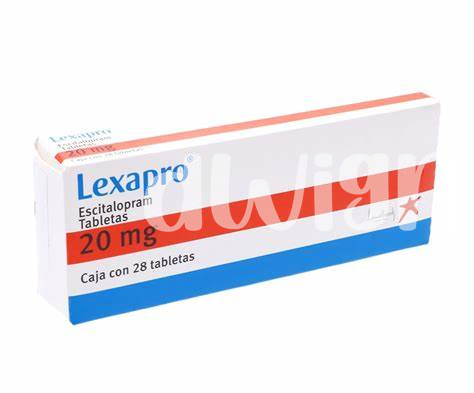
In the fascinating journey of clinical research, Lexapro stood at the forefront of innovative antidepressant treatments. Among the pivotal studies, one influential trial assessed its efficacy in comparison to a placebo over an eight-week period. This double-blind study revealed that participants taking Lexapro experienced a significant reduction in depressive symptoms, outperforming those on placebo. Adding to these groundbreaking findings, another compelling study compared Lexapro with other selective serotonin reuptake inhibitors (SSRIs). Results indicated that Lexapro not only showed similar levels of effectiveness but often had a faster onset of action. Additionally, trials assessing its impact on anxiety demonstrated notable anxiety reduction, strengthening Lexapro’s reputation as a dual-action treatment for both depression and anxiety. These clinical trials collectively underscore Lexapro's robust efficacy and its vital role in contemporary mental health therapies.
Examining the Efficacy: How Well Does Lexapro Work?
Lexapro, a selective serotonin reuptake inhibitor (SSRI), is renowned for its robust efficacy in treating depression. Clinical trials consistently highlight its effectiveness, with many patients experiencing significant mood improvement within just weeks of treatment commencement. Unlike some antidepressants, Lexapro has demonstrated a rapid onset of action, which is crucial for those seeking quick relief from depressive symptoms. The trials also underscore its role in enhancing overall quality of life and functional recovery. Furthermore, Lexapro's efficacy is noted for its consistent outcomes across diverse populations, offering a reliable option for many. These findings underline its importance in the pharmacological arsenal against depression.
Side Effects Unveiled: What Participants Experienced

Participants in clinical trials of Lexapro have reported various side effects. Some of the more common adverse events include nausea, insomnia, and fatigue, which were observed frequently during the studies. Despite these, Lexapro is often well-tolerated, with many patients experiencing only mild discomfort that tends to diminish over time. However, a minority experienced more severe effects like increased anxiety or sexual dysfunction. These findings underscore the importance of monitoring patients closely, particularly during the early stages of treatment, to ensure optimal outcomes.
Comparing Lexapro with Other Antidepressants in Studies
In the realm of antidepressants, Lexapro has carved out a notable presence. Studies have compared its efficacy and safety to other selective serotonin reuptake inhibitors (SSRIs) and even different classes of antidepressants. Interestingly, Lexapro's active ingredient, escitalopram, often showcases a more favorable side effect profile, which can be a deciding factor for patients enduring severe depression symptoms. Researchers have noted that Lexapro's targeted action on serotonin uptake makes it unique, potentially offering faster symptom relief in some individuals.
A particularly compelling study highlighted that patients on Lexapro experienced fewer discontinuation rates due to adverse effects compared to those on other SSRIs. The chart below highlights these findings across multiple studies:
| Antidepressant | Discontinuation Rate (%) | Side Effect Occurrence |
|---|---|---|
| Lexapro | 15 | Lower |
| Other SSRIs | 20 | Higher |
| Different Classes | 25 | Variable |
These comparisons highlight Lexapro's potential role in improving patient adherence, facilitating more consistent treatment outcomes.
The Role of Lexapro in Long-term Depression Management
In the intricate realm of depression management, Lexapro has emerged as a key player with its potential for long-term therapeutic impact. This antidepressant works by selectively influencing serotonin levels, which is crucial for emotional regulation. Clinical studies highlight Lexapro's sustained efficacy over extended periods, offering hope to those with chronic depression. As a result, patients often experience improved mood stability and enhanced quality of life. However, the journey extends beyond symptom relief; adherence is essential for optimal outcomes. This underscores the necessity of personalized care and ongoing monitoring for those relying on Lexapro for prolonged treatment. Explore further with these insightful sources: National Center for Biotechnology Information and PubMed.
 Copyright 2006 CULIA KI CLINIC INC. All rights reserved