To Buy Furosemide Online Visit Our Pharmacy ↓
 Furosemide Interactions: Drugs and Foods to Avoid
Common Prescription Conflicts: Drugs That Raise Risks
A physician once described furosemide as a powerful helper that can turn fragile balance into relief, yet it demands respect. When combined with certain prescriptions the drug’s benefits can flip into danger. Clinicians and patients should watch for interactions that amplify blood pressure drops or impair kidney function.
Common troublemakers include NSAIDs, which blunt diuretic effect; ACE inhibitors and ARBs, which together can produce excessive hypotension or renal harm; and certain antibiotics or antivirals that increase toxicity.
| Drug | Risk |
|---|---|
| NSAIDs | Reduced diuretic effect, kidney injury |
| ACE inhibitors / ARBs | Hypotension, impaired renal function |
| Aminoglycosides, lithium | Increased nephrotoxicity or toxicity |
Always inform every prescriber about furosemide; seek urgent care for severe dizziness, fainting, or swelling.
Electrolyte Imbalances: Monitoring Potassium, Magnesium, Sodium
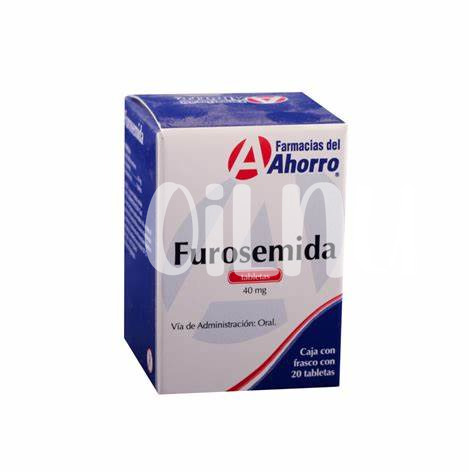
She noticed muscle cramps after starting a new pill; electrolyte shifts often show subtly, so routine checks catch early signs before symptoms escalate quickly.
Medications like furosemide increase potassium and magnesium loss; clinicians often recommend supplements or diet adjustments and scheduled lab monitoring to prevent complications.
Sodium dips can alter mood and cognition; older adults are vulnerable. Rapid shifts require prompt action to avoid seizures or hospitalization now.
Keep a list of meds, report dizziness or irregular heartbeat, check labs as advised, and contact your provider immediately for concerning results.
Avoid These Over-the-counter Painkillers and Anti-inflammatories
Reaching for a familiar pain pill seems harmless, but when you take furosemide a quick over-the-counter choice can complicate care.
Common NSAIDs like ibuprofen, naproxen and COX-2 inhibitors can blunt diuretic effects, raise blood pressure, and risk kidney injury by reducing renal prostaglandins.
That interaction may worsen swelling, disturb electrolytes, or prompt dangerous drops in kidney function; even prescription combinations magnify these risks.
Before regular use consult your clinician, consider acetaminophen as an alternative when appropriate, and report decreased urine, lightheadedness, cramps or sudden weight gain promptly. Seek medical help.
Herbal Supplements and Foods That Amplify Effects

Many people try herbal teas and supplements to boost results, but with furosemide this can be risky. Dandelion, horsetail, and juniper are natural diuretics; taken together they can increase fluid and electrolyte losses, raising the chance of dizziness and low potassium. Licorice root worsens potassium depletion by mimicking aldosterone, so avoid large amounts.
Other botanicals—hawthorn, ginseng, and St. John's wort—can alter blood pressure or interact with metabolism, changing how strongly furosemide works. Likewise, foods high in potassium (bananas, oranges) or herbal potassium supplements shift electrolyte balance and may hide or worsen imbalances.
Always tell your clinician about herbs, teas, and diet changes so they can monitor electrolytes and adjust dosing safely. Ask before starting anything.
Alcohol, Dehydration, Salt: Lifestyle Factors Impacting Therapy
On a humid afternoon, I watched a friend skip water and reach for a drink that seemed harmless; furosemide had already thinned his reserve. Loop diuretics magnify fluid shifts, so even moderate alcohol increases dizziness and fainting risk. A clear plan beats surprises: know your limits and check rising thirst.
When dehydration develops, electrolytes fall fast: potassium and magnesium need monitoring to prevent arrhythmias. Avoid prolonged sun exposure or intense exercise without replacing fluids, and report lightheadedness, palpitations, or muscle cramps swiftly. Regular lab checks help tailor dosing and safeguard daily function.
Talk openly with clinicians about alcohol habits, travel plans, and salt intake; high sodium can blunt benefit while sudden restriction may enhance drug effect. Small adjustments — timing doses, spacing drinks, or modest salt moderation — reduce harm, preserve the therapy you rely on, and prevent emergency visits.
Practical Tips: Timing, Communication, When to Seek Help
Think of dosing as a conversation with your body: take furosemide at the same time each day unless your clinician advises otherwise. Avoid skipping or doubling doses. Weigh yourself daily, note fluid intake, and record symptoms such as dizziness, lightheadedness, or muscle cramps; these simple habits let clinicians time adjustments and spot dehydration or electrolyte loss early.
Tell every provider and pharmacist you take furosemide, and list all over‑the‑counter drugs, vitamins, and herbal products. Seek urgent care for fainting, severe weakness, irregular heartbeat, or sudden vision or hearing changes. Keep an up‑to‑date medication list, carry it with you, and show it at every visit; photos on your phone are helpful too. Reliable resources: MedlinePlus: Furosemide PubChem: Furosemide
 Copyright 2006 CULIA KI CLINIC INC. All rights reserved