To Buy Fluoxetine Online Visit Our Pharmacy ↓
 Fluoxetine for Teenagers: Risks and Benefits
How Fluoxetine Works in the Teenage Brain
Imagine the teenage brain as a bustling city, constantly building new connections and pruning outdated ones. During adolescence, brain chemistry and structure are in flux, which makes treating mental health conditions both complex and delicate. Fluoxetine, more commonly known as Prozac, is a selective serotonin reuptake inhibitor (SSRI). It works by increasing levels of serotonin—a neurotransmitter closely linked to mood, emotion, and behavior—allowing messages between brain cells to be transmitted more smoothly.
As serotonin balances out, many teens experience improved mood, reduced anxiety, and greater emotional stability. It's important to remember, though, that every teenager's brain responds differently depending on genetics and environment. Because their brains are still maturing, medical professionals often start with lower doses and monitor progress closely.
| Key Facts | Details |
|---|---|
| Main action | Boosts serotonin signaling |
| Typical benefit | Improved mood regulation |
| Special consideration | Careful dosing for developing brains |
Common Mental Health Issues Treated by Fluoxetine
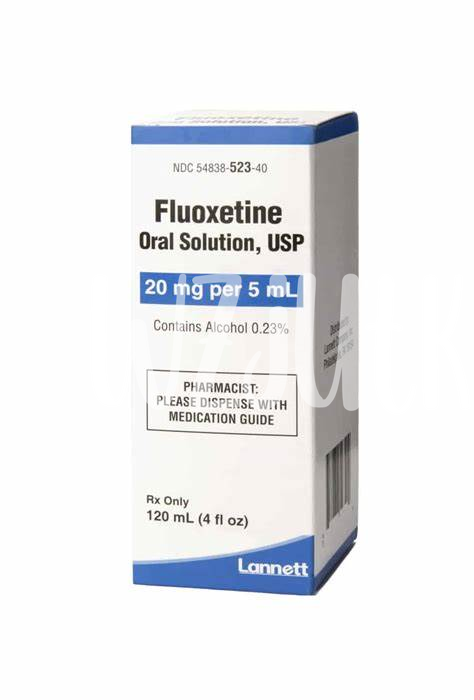
For many teenagers, navigating adolescence brings waves of emotional change that can sometimes overwhelm their ability to cope. In circumstances where persistent low mood, anxiety, or obsessive thoughts significantly disrupt a young person’s school, friendships, or family life, doctors may consider fluoxetine as part of a treatment plan. This medication, often known by its brand name Prozac, is a type of selective serotonin reuptake inhibitor (SSRI) that’s commonly prescribed for young people.
Fluoxetine has been studied extensively for use in adolescents diagnosed with major depressive disorder, and it is also used to address conditions like obsessive-compulsive disorder and, occasionally, eating disorders. By enhancing the availability of serotonin in the brain, fluoxetine can help alleviate symptoms that interfere with daily functioning, enabling teenagers to regain stability as they engage with therapy and family support.
Potential Benefits for Adolescents with Depression
Depression can make even the simplest daily activities feel insurmountable for teenagers. Many adolescents find their schoolwork, friendships, and family relationships deeply impacted by symptoms like low energy, persistent sadness, and trouble concentrating. In such cases, fluoxetine may offer a pathway back to normalcy, helping to lift the heavy fog of depression.
This medication works by balancing serotonin in the brain, which can gradually improve mood and motivation. Teenagers treated with fluoxetine often describe feeling more hopeful, engaged, and capable of participating in life’s activities again. For some, it marks the beginning of reconnecting with interests and social circles that once brought joy.
While results vary, studies show that fluoxetine can reduce the severity of depressive episodes in many young people, enabling healthier emotional growth and academic progress.
Possible Side Effects and Safety Concerns
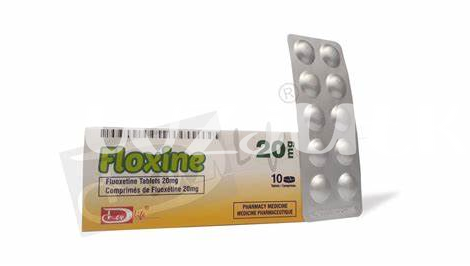
Navigating the world of antidepressants like fluoxetine can feel overwhelming, especially when a teenager’s health is at stake. Many adolescents tolerate fluoxetine well, but some may experience side effects that vary from mild to more disruptive. Common issues include headaches, sleep difficulties, nausea, or changes in appetite, sometimes occurring in the first few weeks. In rare cases, more serious reactions—such as mood swings, agitation, or behavioral changes—may arise. Because every teen’s brain responds differently, healthcare professionals monitor progress closely. Parents and teens are encouraged to report any unusual symptoms right away, ensuring the medication is helping and that safety remains the top priority.
Fluoxetine and the Risk of Suicidal Thoughts
The decision to start fluoxetine often brings a mix of hope and concern, especially when weighing how it might affect a teen’s mental state. While fluoxetine can be effective in treating depression and anxiety, studies indicate that some adolescents may experience an increase in suicidal thoughts, particularly in the first few weeks of treatment or when dosages are changed. This heightened risk doesn’t affect every teenager, but it’s a serious consideration.
Close monitoring becomes essential during the early stages of medication. Family members and caregivers should watch for changes in mood, behavior, or talk of self-harm, ensuring the teen has support and immediate access to professional help if warning signs emerge.
| Warning Signs to Watch | Recommended Action |
|---|---|
| Sudden mood swings | Contact healthcare provider immediately |
| Withdrawal from loved ones | Offer support and monitor closely |
| Talk of hopelessness or self-harm | Seek urgent medical attention |
Tips for Parents Navigating Medication Decisions
When your teen faces mental health challenges, deciding on medication can feel overwhelming. Many parents find their best ally is communication—both with their child and healthcare professionals. Regular check-ins with the prescribing doctor help track progress, address concerns, and catch side effects early.
It’s important to monitor any changes in mood or behavior, especially during the first few weeks of starting medication. Parents don’t have to navigate this road alone; therapists, school counselors, and pediatricians can offer additional guidance.
Most importantly, keeping an open, non-judgmental dialogue with your teen builds trust. Reassure them that seeking help is a sign of strength, not weakness.
 Copyright 2006 CULIA KI CLINIC INC. All rights reserved