To Buy Flagyl Online Visit Our Pharmacy ↓
 Mixing Alcohol and Flagyl: Risks Explained
How Flagyl Interacts with Alcohol: the Science
Imagine your body as a tidy chemical factory: when alcohol arrives it becomes acetaldehyde, then is cleaned by an enzyme to harmless acetate. Metronidazole, a nitroimidazole antibiotic, can interfere with that cleanup. By inhibiting aldehyde dehydrogenase and altering bacterial metabolism, it allows acetaldehyde to build up, producing flushing, nausea, headache, and a racing heart. The drug also causes direct gastrointestinal sensitivity, increasing vomiting risk.
Patients often feel the effects quickly, within minutes to a few hours, and severity varies with dose, drinking amount, and individual enzyme activity. Liver disease, older age, and genetics can slow acetaldehyde clearance, raising risk. Because the reaction mimics disulfiram, clinicians advise abstaining during therapy and for a period afterward. If symptoms are severe or prolonged, seek medical care; supportive treatment and monitoring can prevent complications. Wait at least several days.
| Symptom | Cause |
|---|---|
| Flushing | Acetaldehyde buildup |
Recognizing Unpleasant Disulfiram-like Reaction Symptoms Early
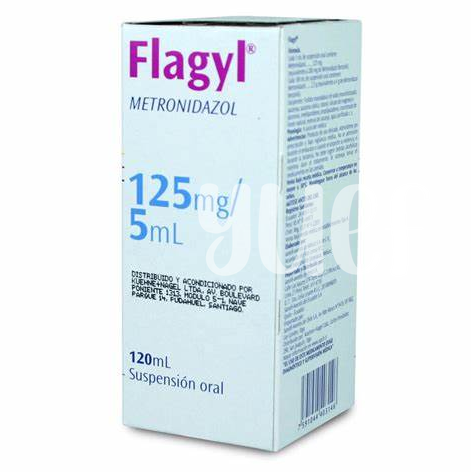
Walking into an unfamiliar night, a patient recalled the sudden wave of nausea and a pounding headache after a single drink while on flagyl. Early signs often feel dramatic: flushing, rapid heartbeat, nausea, vomiting, and intense dizziness. These symptoms can emerge within minutes and escalate quickly, signaling the body's aversive reaction that mirrors disulfiram's mechanism.
Recognizing them early lets patients stop drinking and seek medical advice before dehydration or dangerous blood pressure changes occur. Providers may recommend supportive care, monitoring, or emergency treatment for severe reactions. If unsure whether a symptom relates to the medication, err on the side of caution and contact your clinician; quick action reduces complications and reassures worried patients and families.
How Long to Avoid Drinking after Treatment
Finishing a course of flagyl can feel like relief, yet the body doesn’t reset immediately. Alcohol may interact with lingering drug metabolites, so patience pays off.
Most clinicians recommend avoiding booze for at least 48 hours after oral dosing and longer after intravenous therapy, because reactions vary by dose, duration and individual metabolism. Err on the side of caution.
If you’re unsure, check with your prescriber; lab clearance times differ and factors like liver function matter. Waiting an extra day or two reduces risk and gives peace of mind.
Never assume mild symptoms are benign: flushing, nausea or palpitations call for stopping alcohol and seeking advice. Better safe than sorry, so see your doctor today.
Who Faces Higher Risk: Factors That Matter
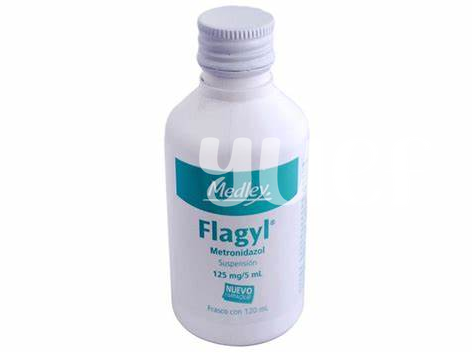
Some people notice stronger reactions when medication and alcohol mix; older adults and people with liver disease are vulnerable. Flagyl is metabolized by the liver, so reduced hepatic function increases the chance of adverse effects.
Genetics also plays a role; variations in enzymes that process drugs can amplify symptoms. Concurrent medications like warfarin or certain antidepressants may interact, and chronic conditions such as diabetes or cardiovascular disease compound the risk.
Heavy drinkers or those with alcohol dependence face heightened danger because recent consumption intensifies interactions. Pregnancy and breastfeeding add complexity; clinicians often advise avoiding flagyl while pregnant unless benefits outweigh harms to mother and fetus.
People with immune suppression, severe infections, or known allergies to nitroimidazoles should be cautious and discuss alternatives. Always tell your prescriber about all substances you use, follow dosing, and ask when it’s safe to drink.
Common Myths Debunked and Practical Safety Tips
At a gathering I watched someone shrug off a drink while on flagyl, prompting a quiet panic in me. Stories of mild tipsiness or dramatic reactions both circulate, but personal sensitivity and medication timing shape outcomes.
Don't assume one glass won't hurt. Alcohol can intensify nausea, flushing, or dizziness when combined with nitroimidazoles; waiting and consulting instructions is safer. Also, herbal remedies and cough syrups can add unexpected alcohol.
Practical steps: avoid alcohol during therapy and for the recommended window after, read labels, tell friends you're abstaining, and call a clinician if you feel severe symptoms. Simple precautions prevent most emergencies.
| Myth | Reality |
|---|---|
| A sip is safe | Not always; wait as advised by your clinician |
What to Do If You Accidentally Drank Flagyl
Your stomach drops as you remember taking the tablet with a drink. First, stay calm and note the exact medication and time. Do not induce vomiting unless instructed by a clinician. Avoid more alcohol and rinse your mouth. Call your local poison control center or contact your healthcare provider for advice; they can assess dose, risk, and whether observation or treatment is needed.
Watch for flushing, nausea, vomiting, headache, dizziness, or fast heartbeat; if severe, call emergency services, bring medication packaging, and follow up with your prescriber for further care.
 Copyright 2006 CULIA KI CLINIC INC. All rights reserved