To Buy Doxycycline Online Visit Our Pharmacy ↓
 Doxycycline for Tick-borne Diseases: What Helps?
How Doxycycline Fights Tick-borne Infections Fast
I remember the first patient who walked in with fever and a baffling rash; a single dose of doxycycline turned story around. Doxycycline acts quickly, entering tissues and stopping bacteria from making proteins they need to survive.
At the cellular level, it binds the 30S ribosomal subunit, which halts bacterial translation and prevents replication. This bacteriostatic action reduces bacterial load fast, giving immune system time to clear the infection.
Clinically, rapid oral absorption and good tissue penetration mean drug levels reach ticks' pathogens in skin and organs. Early treatment limits spread and complications, so timing matters.
Side effects are usually mild, occassionally including nausea or photosensitivity; discuss allergies and contraindications with a clinician before starting.
| Benefit | Why it helps |
|---|---|
| Fast absorption | Reaches target quickly |
| Good tissue penetration | Acts where pathogens hide |
When to Start Treatment after a Tick Bite
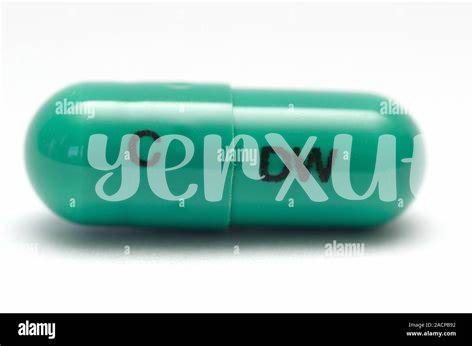
A small tick can change a summer walk into a test of vigilance. If you find a feeding tick, act quickly: remove it properly, save it if possible, and note the date. For certain exposures, a single dose of doxycycline within 72 hours can reduce risk of Lyme disease; early evaluation is key if redness, fever, or flu like symptoms occur.
Clinicians balance risks, tick species, duration of attachment, and local infection rates to decide on prophylaxis or immediate treatment. If a rash or systemic signs have already occured, longer doxycycline courses are started without delay. When in doubt, seek prompt medical advice; early therapy often prevents complications and gives the best chance for recovery.
Dosage Durations and Regimen Explained for Adults
A quick decision matters: physicians commonly prescribe doxycycline 100 mg twice daily for adults, starting as soon as infection is suspected. For prophylaxis after a high-risk tick bite a single 200 mg dose may be given within 72 hours if attachment exceeded 36 hours.
Durations vary: 7 to 14 days for ehrlichiosis, at least 7 days for RMSF until 48 to 72 hours fever-free, and 10 to 21 days for Lyme. Complete the course; watch for GI upset and photosensitivity. Occassionally clinicians suggest taking doxycycline from the begining with food.
Side Effects to Watch for and Manage
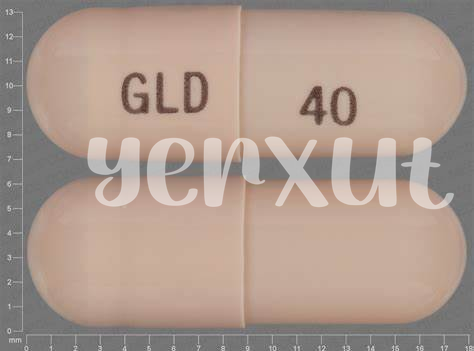
When you start doxycycline for a tick-borne illness, expect a few predictable companions: nausea, mild stomach cramps, and an increased sensitivity to sunlight that can turn a sunny walk into a lesson in sunscreen. Teh antibiotic can also irritate the esophagus if pills are swallowed without water, and about one in a few patients notice yeast infections or diarrhea; severe belly pain or bloody stools should prompt immediate medical attention.
Simple managment steps reduce risk: take doxycycline with a full glass of water and remain upright for 30 minutes, avoid taking it with calcium-rich meals or antacids that can lower absorption, and use broad-spectrum sunscreen and protective clothing outdoors. Pregnant people and young children should discuss alternatives because of potential effects on fetal development and teeth staining. Always report rashes, severe diarrhea, or breathing problems to your clinician right away.
Effectiveness Across Different Tick-borne Diseases Compared
Clinicians often reach for doxycycline because it hits many bacterial tick pathogens quickly, easing symptoms and preventing complicated spread.
It’s highly effective for Lyme disease when given early, and is the preferred choice for ehrlichiosis, anaplasmosis and rickettsial infections; however its role differs with age and pregnancy.
For protozoal infections like babesiosis doxycycline is ineffective and antiparasitics are required. Occassionally allergies or severe nausea mean clinicians select alternatives; Teh data show resistance is rare but monitoring remains important.
| Disease | Doxycycline efficacy |
|---|---|
| Lyme disease | High when early |
| Ehrlichiosis and Anaplasmosis | High |
| Rocky Mountain spotted fever | High |
| Babesiosis | None |
| Note | timing and patient factors alter efficacy |
| Pregnancy or young children | need alternatives |
| Resistance | uncommon; monitor clinically regularly |
When Doxycycline Isn’t Suitable: Alternatives and Precautions
When doxycycline isn’t an option, patient stories often reveal worry and quick pivoting to other plans. Allergies, age limits or pregnancy force clinicians to balance risk and choose safer antimicrobials or watchful waiting with monitoring.
Children under eight, pregnant women, and those with severe tetracycline allergies often need alternatives like amoxicillin or cefuroxime. Decisions depend on the specific tick pathogen, resistance patterns, and individual medical history discussed clearly with providers.
Side-effect management matters: supportive care, antiemetics, or temporary pauses can help. Definately prioritize allergic evaluation and, when possible, targeted testing to confirm diagnosis before switching therapies to preserve future treatment options and avoid broad-spectrum agents.
For persistent or atypical infections, specialty referral helps. Labs, imaging, or longer courses might be needed. Patients should aquire clear follow-up plans, pregnancy tests when relevant, and immediate care for worsening symptoms with return precautions. CDC Lyme Treatment MedlinePlus Doxycycline
 Copyright 2006 CULIA KI CLINIC INC. All rights reserved