To Buy Cellcept Online Visit Our Pharmacy ↓
 Cellcept in Autoimmune Disease Treatment: Benefits and Risks
What Is Cellcept and How It Works
Cellcept, also known as mycophenolate mofetil, is an immunosuppressive medication primarily used to prevent organ rejection in transplant patients. It works by inhibiting an enzyme called inosine monophosphate dehydrogenase (IMPDH), which is crucial for the proliferation of T and B lymphocytes. These cells are often responsible for the immune system's abnormal attacks on the body's own tissues in autoimmune diseases.
By targeting this specific enzyme, Cellcept effectively reduces the production of these immune cells, thereby decreasing the harmful inflammatory response. This unique mechanism of action makes it particularly attractive for treating various autoimmune conditions, as it hones in on the source of the immune dysfunction.
Below is a simplified HTML table summarizing key information:
```html
| How Cellcept Works | Inhibits inosine monophosphate dehydrogenase (IMPDH) |
|---|---|
| Main Target | T and B lymphocytes |
| Usage | Decreases harmful inflammatory response |
Common Autoimmune Diseases Treated with Cellcept

Cellcept, also known as mycophenolate mofetil, has become an essential medication in the treatment of various autoimmune diseases. This immunosuppressive drug is particularly beneficial in managing systemic lupus erythematosus (SLE), where it helps reduce inflammation and organ damage. Additionally, Cellcept is frequently prescribed for patients with rheumatoid arthritis, offering relief from joint pain and swelling. For those suffering from multiple sclerosis, it can decrease the frequency and severity of flare-ups, improving overall quality of life. Scleroderma patients also find respite through its ability to limit skin thickening and organ involvement.
What makes Cellcept stand out is its ability to selectively suppress the immune system, targeting only the errant cells responsible for the autoimmune response. This precision reduces the risk of broad-spectrum immunosuppression, thereby minimizing potential side effects. Kidney disease related to lupus, known as lupus nephritis, is another condition where Cellcept's efficacy is well-documented, frequently serving as a first-line treatment option. By intervening early with Cellcept, patients can often stave off more aggressive treatments and achieve better long-term outcomes.
Key Benefits of Cellcept in Autoimmune Therapy
Cellcept, also known as mycophenolate mofetil, has become a cornerstone in the treatment of various autoimmune diseases due to its ability to selectively suppress the immune system. This medication works by inhibiting the proliferation of T and B lymphocytes, which play a crucial role in the autoimmune response. One significant benefit of Cellcept is its effectiveness in reducing the frequency and severity of autoimmune flare-ups, thereby improving the quality of life for many patients. Furthermore, its targeted approach often results in fewer side effects compared to traditional immunosuppressive drugs, making it a safer option for long-term therapy. By slowing disease progression, Cellcept enables patients to maintain greater functionality and well-being over time.
Potential Risks and Side Effects of Cellcept
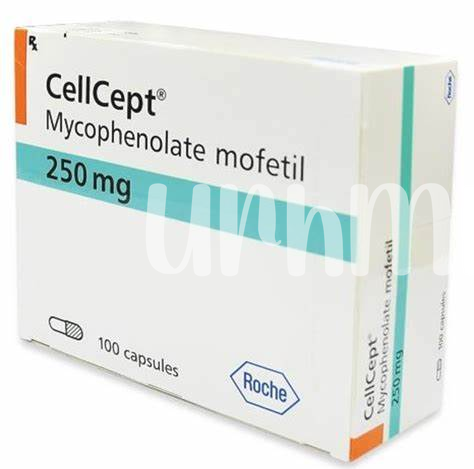
Cellcept, also known as mycophenolate mofetil, is generally well-tolerated, but it carries certain risks and potential side effects. One of the most concerning risks involves increased susceptibility to infections due to its immunosuppressive properties. Patients may experience gastrointestinal issues such as diarrhea, nausea, and vomiting, which can range from mild to severe. Elevated risks of certain cancers, including lymphoma and skin cancer, have also been associated with long-term use.
Moreover, blood disorders such as anemia, leucopenia, and thrombocytopenia can occur, affecting the body's ability to fight infections and clot blood properly. Regular blood tests are often necessary to monitor these conditions. It’s crucial for patients to report any unusual symptoms to their healthcare provider immediately to manage risks effectively and adjust treatment if needed. Understanding these potential side effects helps patients make informed decisions about their autoimmune disease treatment plan.
Comparing Cellcept to Other Immunosuppressive Drugs
Drug
Action Mechanism
Common Uses
Side Effects
Cellcept
Inhibits T- and B-cell proliferation
Lupus, Rheumatoid Arthritis
Gastrointestinal issues, risk of infections
Azathioprine
Suppresses cell-mediated immunity
Autoimmune Hepatitis, Crohn's Disease
Bone marrow suppression, liver toxicity
Methotrexate
Dihydrofolate reductase inhibitor
Rheumatoid Arthritis, Psoriasis
Liver toxicity, pulmonary fibrosis
While Cellcept targets both T- and B-cell proliferation, Azathioprine principally affects cell-mediated immunity, making it more suitable for conditions like autoimmune hepatitis. On the other hand, Methotrexate interferes with folate metabolism, and is commonly deployed in rheumatoid arthritis but brings a higher risk of liver toxicity. One of Cellcept's unique selling points is its relatively lower liver toxicity compared to Methotrexate, but this comes at the cost of gastrointestinal side effects and a higher susceptibility to infections. Each of these options requires weighing benefits and risks carefully.
Important Considerations before Starting Cellcept Treatment
Before beginning Cellcept treatment, patients should engage in thorough discussions with their healthcare provider to fully understand the medication's implications. It's crucial to assess medical history, including previous infections, kidney or liver diseases, and any plans for vaccinations. This is because Cellcept can increase susceptibility to infections by suppressing the immune system. Additionally, women of childbearing age need to discuss effective contraceptive measures, as Cellcept can cause severe birth defects.
Another key consideration is the potential interaction with other medications being taken concurrently. Cellcept can interfere with certain drugs, such as antacids and some antivirals, affecting its efficacy or causing harmful side effects. Regular blood tests are often required to monitor kidney function and white blood cell counts, ensuring the body is responding appropriately to the treatment. By taking these precautionary steps, patients can optimize the benefits of Cellcept while minimizing its risks.
 Copyright 2006 CULIA KI CLINIC INC. All rights reserved