To Buy Augmentin Online Visit Our Pharmacy ↓
 Augmentin and Alcohol: Understanding the Interactions
Unraveling the Mystery: What Is Augmentin?
Nestled at the intersection of science and healing, Augmentin emerges as a formidable foe against bacterial infections. This marvel of modern medicine is not just any run-of-the-mill pill; it’s a comp, combining the prowess of amoxicillin and clavulanate potassium to vanquish bacteria with precision. Through the synergy of these two agents, Augmentin outsmarts bacteria, preventing them from constructing their protective walls and ultimately leading to their demise.
| Component | Function |
|---|---|
| Amoxicillin | Antibacterial agent that destroys bacteria |
| Clavulanate Potassium | Inhibits bacterial resistance mechanisms |
Far from the reaches of a simple 'script, Augmentin stands as a guardian against infections of the skin, urinary tract, and respiratory system, among others. It's not merely a bottle on the shelf; it's a testimonial to the relentless human effort to outpace bacterial evolution. However, with great power comes great responsibility. As such, understanding the mechanisms and potential interactions of this powerful medication is paramount to harnessing its benefits effectively and safely. In a realm where the Pharm Tech and White Coat navigate the delicate balance of health, Augmentin shines as a beacon of hope against bacterial foes, leaving no room for a 'Pharmageddon' in its wake.
The Science Behind Alcohol’s Effects on Medication
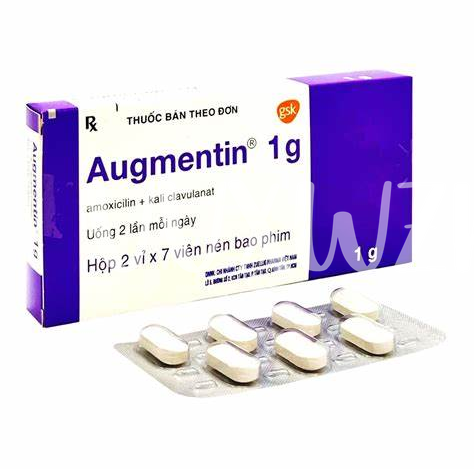
Alcohol is known for its potent effects on the body and mind, but its interaction with medications brings a complex layer of considerations. When alcohol enters the bloodstream, it can alter the way the body metabolizes drugs, potentially leading to increased side effects or decreased efficacy. This interaction can be particularly noteworthy with antibiotics like augmentin. The liver plays a crucial role in processing both alcohol and most medications. When both are present, the liver can become overwhelmed, prioritizing the breakdown of alcohol over medication. This can lead to higher levels of the medication in the body for a longer time, increasing the risk of side effects or toxicity.
Adding to the complexity, alcohol can also affect the gastrointestinal tract, altering the absorption of medications. Certain meds, when taken with alcohol, might not reach the bloodstream in the appropriate concentrations, potentially rendering them less effective. This interplay demands a careful consideration of timing and compounding factors. For those on a script for augmentin, the recommendation skews towards caution. Abstaining from alcohol while on the medication could prevent unnecessary side effects and ensure the effectiveness of the treatment, steering clear of turning the healing process into a pharmageddon. It's about navigating the fine line between treatment efficacy and potential health hazards, a balance that is critical yet achievable with informed decisions.
Augmentin and Alcohol: a Dangerous Cocktail?
Diving into the relationship between augmentin and alcohol reveals complexities that might surprise many. While augmentin, a commonly prescribed antibiotic, fights off bacterial infections with precision, introducing alcohol into the mix muddles the waters significantly. This combination doesn't just raise eyebrows; it sets the stage for what could be an adverse health cocktail. Concerns spiral around the enhancement of side effects, ranging from mild discomforts to severe reactions that could turn a healing process into a health crisis without a moment's notice.
Expert insights caution against underestimating this mix. Alcohol, a known depressant, can exacerbate augmentin's side effects, potentially leading to an unexpected 'hangover' from the medication, a scenario far removed from the anticipated recovery path. Moreover, navigating this terrain requires an awareness of the 'side effect' landscape, recognizing that what appears as a harmless indulgence could torpedo the recovery process, urging a reevaluation of one’s ‘cocktail’ choices during medication periods. The consensus leans heavily towards erring on the side of caution, prioritizing health over fleeting pleasures to ensure a smooth, unhampered recovery journey.
Potential Side Effects of Mixing These Substances
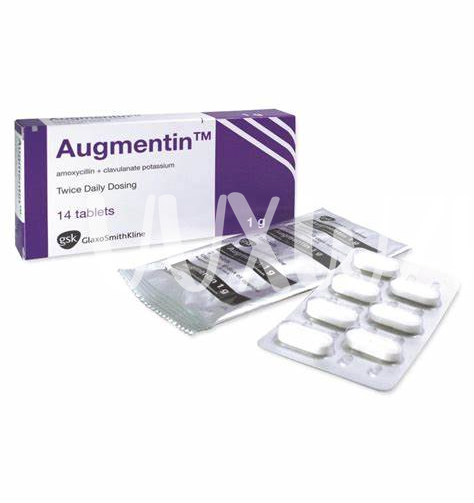
Diving into the world where Augmentin meets alcohol, we encounter a complex landscape that potentially impacts the well-being of those under its influence. While this script seeks to fend off unwanted bacterial guests, introducing alcohol into the mix can cast a shadow over its effectiveness. It's akin to a cocktail that no knowledgeable pharm tech would recommend. The chemistry behind Augmentin's bacterial warfare and alcohol's systemic effects can inadvertently lead to a party of side effects. These uninvited reactions range from mild discomforts to severe digestive issues, clouding the efficacy of the medication and leaving the patient in a less than desirable state.
Experts straddle the line of caution for good reason. The blend can amplify feelings of nausea, dizziness, and exacerbate the risk of dehydration, a side effect that no number of happy pills can mask. The additional workload placed on the liver, tasked with metabolizing both the compound medication and alcohol, can strain this vital organ, pushing it into a corner. For patients navigating this treatment landscape, understanding the interplay between Augmentin and these fridge drugs isn't just smart—it's essential for their health journey. Straying from this path could land them in a pharmageddon of unintended consequences, making the informed choice an indispensable part of their recovery roadmap.
Expert Recommendations: Should You Abstain?
When it comes to navigating the tricky waters of medication interactions, particularly between augmentin and alcohol, health professionals often lean on a wealth of knowledge and experience. One universal piece of advice echoes loudly: caution is key. The cocktail of antibiotics and alcohol is not one to be mixed lightly, as the potential side effects can elevate from mere discomfort to severe health risks. Experts in the field advocate for an err on the side of safety, suggesting that individuals on augmentin should abstain from alcohol consumption. This is not merely a suggestion but a guideline aimed at ensuring the medication works as intended without unnecessary complications.
The reasoning behind this recommendation stems from the science of how alcohol interacts with medications. Alcohol can alter the metabolism of drugs, sometimes decreasing their effectiveness or exacerbating their side effects. With augmentin, the risk isn't worth the temporary pleasure of alcohol. The Pharm land consensus stands firm: mixing augmentin with alcohol may not only dampen your healing process but could also lead to a trip back to the script pad or, worse, a serious dialogue about unintended side effects.
Taking this advice into account, the table below presents a simplified guide to managing augmentin and alcohol consumption.
| Action | Recommendation |
|---|---|
| While on Augmentin | Abstain from alcohol |
| If alcohol consumption is unavoidable | Consult a healthcare professional stat |
| Post-Augmentin treatment | Follow sig directions for when it's safe to resume alcohol |
It's clear, the interplay between augmentin and alcohol is one where caution is not just advised but essential for one's health. Rather than testing the murky waters of potential side effects, heeding expert advice ensures a smoother course of treatment. After all, the aim is a swift recovery, not complicating matters with an avoidable cocktail of substances.
Navigating Safety: Tips for Taking Augmentin Responsibly
Embarking on a treatment journey with Augmentin necessitates a clear understanding of what it means to take your medication responsibly. In a world where pharmaceutical solutions like Augmentin are prescribed regularly, it's crucial to remember that what works like magic for one might not do the same for another, particularly when it involves mixing these solutions with elements such as alcohol. It’s more than just counting and pouring; it’s about delving deep into the realm of personal health responsibility. Ensuring that you adhere strictly to the Sig provided by your healthcare professional is paramount. This includes taking the right dosage at the right time, which can sometimes mean setting reminders to keep track of your regimen.
Moreover, understanding the potential side effects and how they might interact with other medications or substances, including alcohol, is essential. Pharm Land offers a plethora of information and resources, and tapping into that knowledge by consulting with a 'White Coat' can illuminate the path to successful treatment without unnecessary complications. Remember, the goal of medication is to aid in your recovery, not to complicate it further with avoidable side effects or interactions that could easily have been sidestepped with the right knowledge and precautions.
Additionally, adopting a proactive stance towards one's health by keeping a Med Rec (Medication Reconciliation) can be incredibly beneficial. This involves maintaining an updated list of all medications currently being taken, including OTC (Over The Counter) drugs and supplements. Sharing this list with your healthcare provider can facilitate an open dialogue about your treatment, empowering you to make informed decisions and advocate for your health effectively. In essence, navigating the course of treatment with Augmentin isn't just about following the Sig; it's about embracing a comprehensive approach that respects the intricate interplay between medication, lifestyle choices, and overall well-being.
 Copyright 2006 CULIA KI CLINIC INC. All rights reserved